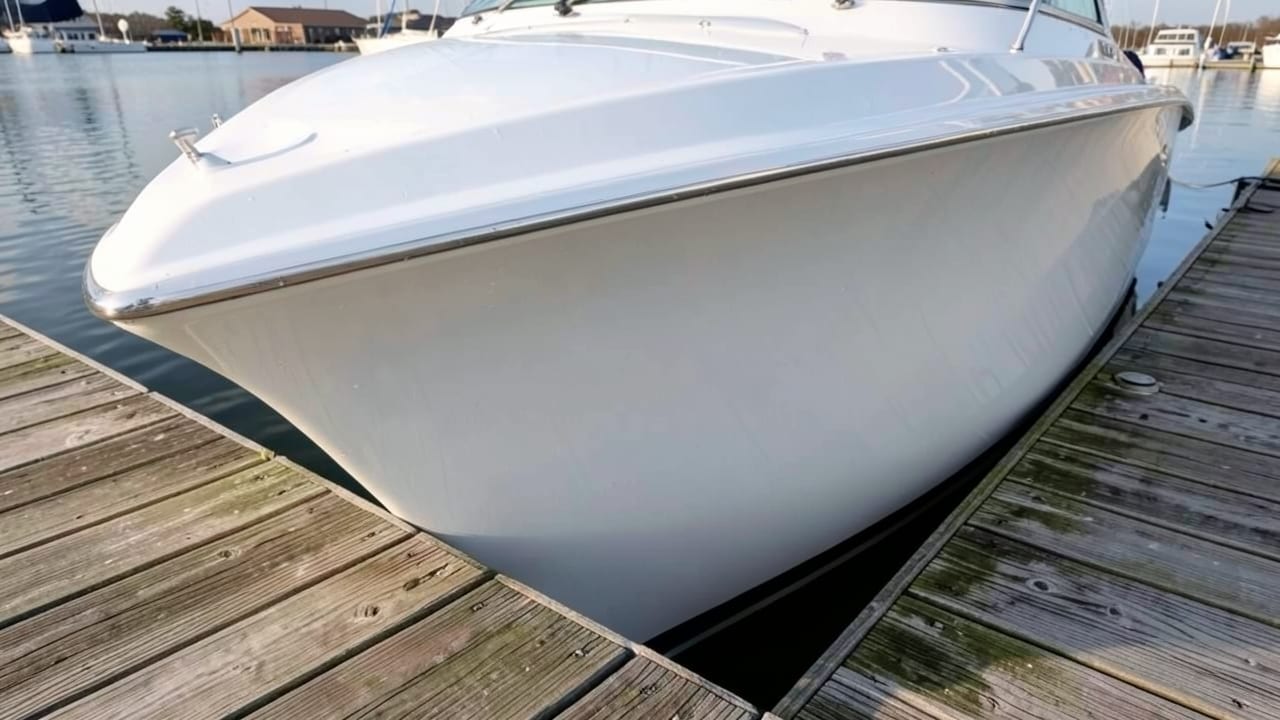
Boat Gelcoat Restoration
Restoring and protecting boat gelcoat with ceramic coatings to renew shine and durability.
Boat gelcoat restoration in Apollo Beach, FL, revives the glossy finish of your vessel by repairing surface damage from sun, saltwater, and contaminants.
A ceramic coating is then applied to shield against UV rays, oxidation, and marine debris, extending the life of your boat’s protective layer in Florida’s harsh coastal climate.
We also handle Fleet & Commercial Vehicle Coating and Graphene Coating for Apollo Beach vehicles.
When your boat needs restoration
Boat gelcoat deterioration often starts subtly—dullness, fine scratches, or water beading poorly instead of rolling off. These signs mean the protective layer has worn away, leaving the surface vulnerable to saltwater corrosion and UV damage. Apollo Beach’s sun and humidity accelerate this process, making timely restoration critical.
A ceramic coating won’t hide deep scratches or chips, but it seals out contaminants and UV rays, preserving the gelcoat beneath. Skipping prep work—like clay bar treatment or iron removal—can trap debris under the coating, shortening its lifespan.
Proper restoration starts with addressing the root causes of damage, not just the surface.
Signs Your Boat Needs Restoration
- Water sheets off instead of beading up—indicates lost hydrophobic protection.
- Fine swirl marks visible under direct sunlight, especially on dark gelcoat.
- Dull or hazy finish after washing, not restored to original gloss.
- Visible oxidation (white chalkiness) or fading in high-traffic areas.
What affects pricing and timing?
Pricing depends on the boat’s size, the extent of damage, and whether paint correction is needed before coating. A full restoration—including decontamination, clay bar treatment, and multi-layer ceramic coating—takes longer but delivers superior protection against Apollo Beach’s saltwater and UV exposure.
Boats with heavy oxidation or deep scratches require extra prep work, increasing both time and cost. Ceramic coatings vary in durability: single-layer options last 1–2 years, while premium graphene-based coatings can exceed 5 years with proper maintenance.
| Factor | Impact on Pricing/Timing |
|---|---|
| Boat Size | Larger vessels require more material, labor, and drying time. |
| Damage Severity | Oxidation/scratches needing correction add 30–50% to prep time. |
| Coating Tier | Graphene-based coatings cost 2–3x more but last 2–3x longer. |
| Prep Work | Skipping clay bar or iron removal risks coating failure, voiding warranties. |
Before and after: what to expect
Before restoration, your boat’s gelcoat may look dull, scratched, or streaked from contaminants like brake dust or salt residue. After decontamination and coating, the surface becomes glass-smooth, with a deep, mirror-like gloss that repels water and resists UV fading.
The transformation isn’t just cosmetic—properly applied ceramic coatings create a chemically resistant barrier. This protects against saltwater corrosion, bird droppings, and marine growth, which are common challenges in Apollo Beach’s coastal environment.
Washing too soon (before 72 hours) or with harsh detergents can strip the coating. Parking in direct sun for the first week may cause uneven curing. Always use a two-bucket wash method with pH-neutral soap to preserve the finish.
How boat gelcoat restoration works
Restoration begins with deep cleaning and ends with a protective ceramic coating.
- 1Foam Wash and Decontamination
The boat is pre-washed with a foam solution, followed by a dedicated wheel-and-tire clean to prevent brake dust from scratching the gelcoat. Chemical treatments—iron remover and tar/bug remover—strip embedded contaminants before mechanical polishing.
- 2Clay Bar Treatment
A lubricant and clay bar remove bonded contaminants (like industrial fallout) from every panel. The surface is smooth to the touch, ensuring no debris remains trapped under the coating.
- 3Paint Correction and Inspection
Swirl marks and light scratches are polished out under raking light. Any remaining imperfections are corrected before coating, as ceramic coatings seal—rather than hide—surface texture.
- 4Coating Application and Cure
The ceramic coating is applied in a dust-free environment at controlled humidity/temperature. The boat is left undisturbed for 72 hours to cure fully before exposure to water or washing.
Frequently asked questions
Will a ceramic coating fix deep scratches or chips in my boat’s gelcoat?
No. Ceramic coatings add hardness against light swirling and UV damage but cannot repair deep scratches or chips. These require professional gelcoat repair before coating. Always address structural damage first.
How long does the gloss from a ceramic coating last in Apollo Beach’s climate?
With proper maintenance, a premium graphene-based coating lasts 3–5 years. Single-layer coatings may last 1–2 years, but Apollo Beach’s sun and saltwater accelerate wear. Regular washing with pH-neutral soap extends longevity.
Can I wash my boat right after the coating is applied?
No. The coating requires a full 72-hour cure period before exposure to water. Washing too soon can cause water spots or premature wear. Follow the shop’s post-installation care instructions strictly.
What’s the difference between a ‘prep-only’ quote and full restoration?
Prep-only covers cleaning and decontamination but skips ceramic coating. Full restoration includes all steps—clay bar, correction, and coating—for long-term protection. Skipping prep risks trapping contaminants under the coating, reducing its lifespan.
Where Apollo Beach sits, and what the Census lists nearby
Apollo Beach sits in Florida, and the closest places listed in the U.S. Census Gazetteer are Ruskin (4 miles south), Sun City Center (4.4 miles southeast), Gibsonton (4.7 miles north), Balm (7 miles east).
Within 25 miles of Apollo Beach the same source lists 56 distinct incorporated places and census-designated places.
Those figures matter for boat gelcoat restoration because they are straight-line distances between Census coordinate points: road mileage between Apollo Beach and Ruskin runs longer than the 4 miles shown, which is why quotes for the same job differ between towns that look close together on a map.
Source: U.S. Census Bureau Gazetteer.
See Pinellas Park, FL for more, or discover our complete Apollo Beach service list on a single page for our complete lineup.
Ready to get started?
Talk to a local ceramic coating pro in Apollo Beach — get a written quote.
Other Ceramic Coating Services in Apollo Beach
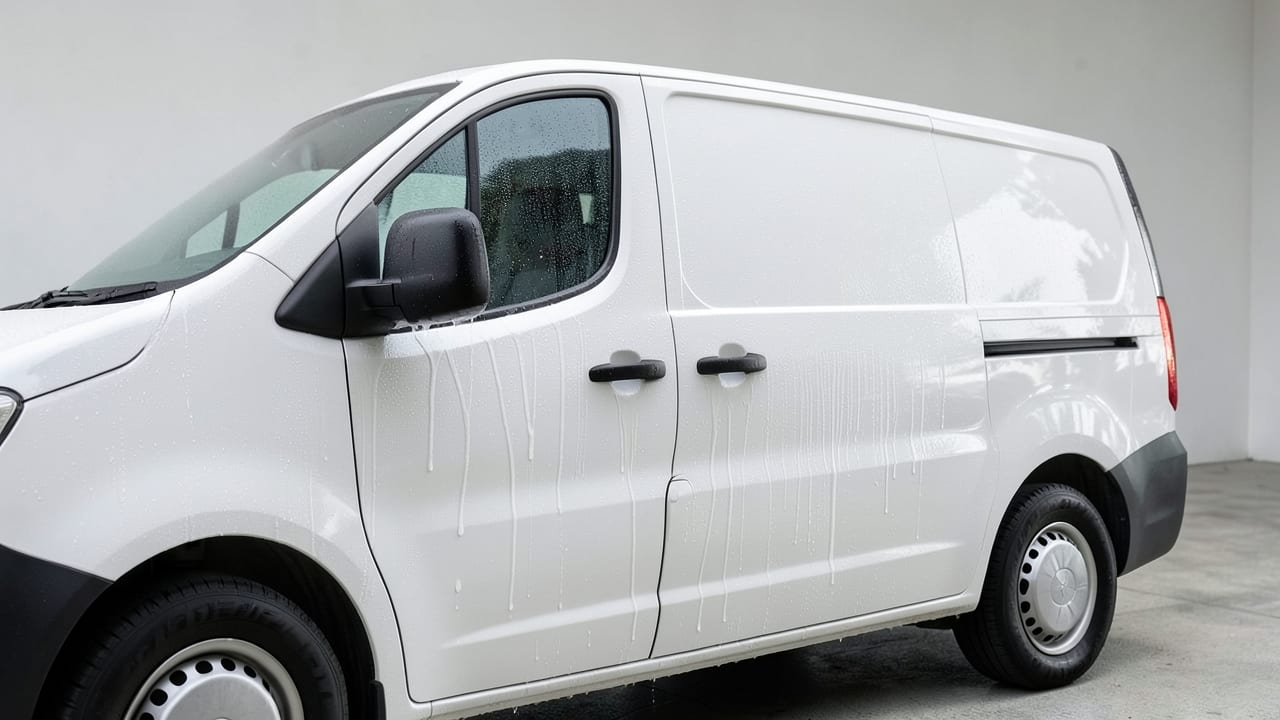
Fleet & Commercial Vehicle Coating in Apollo Beach, FL
Ceramic coating programs for fleets and commercial vehicles in Apollo Beach, FL — faster washing, longer-lasting branded wraps, and protected resale value.
Learn More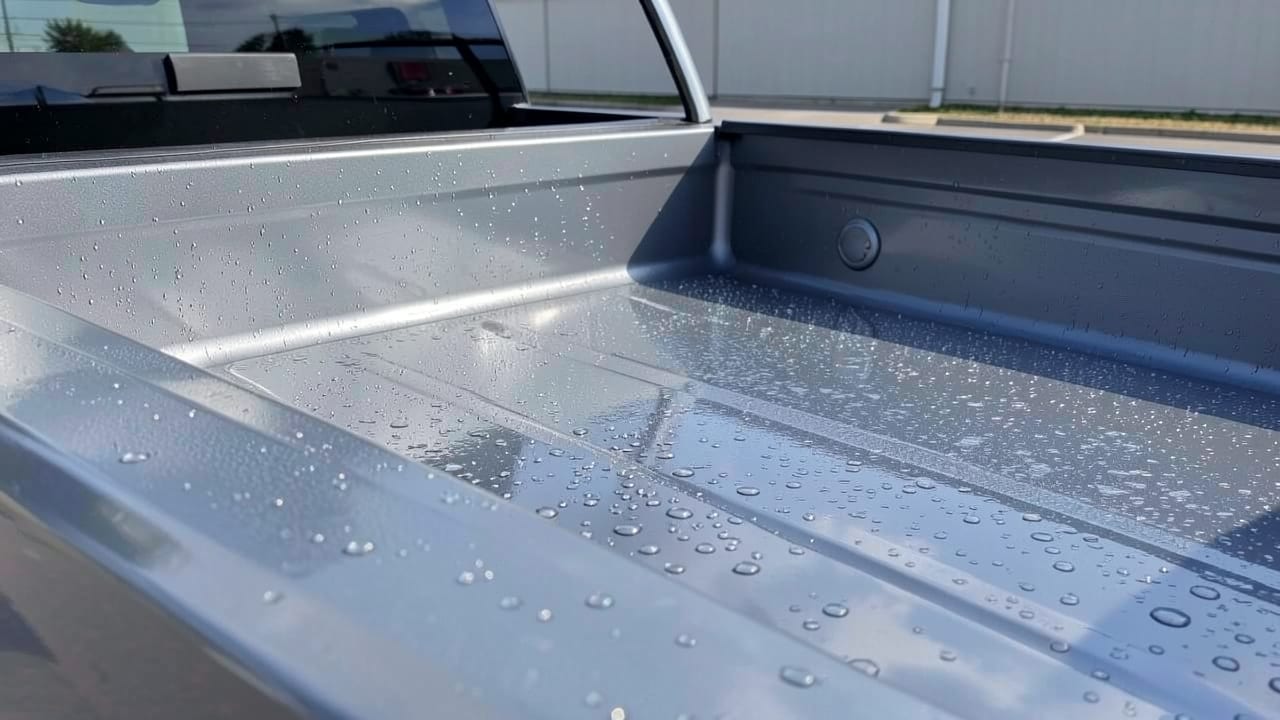
Graphene Coating in Apollo Beach, FL
Graphene coating in Apollo Beach, FL — a premium ceramic alternative with better heat rejection and hydrophobic durability.
Learn More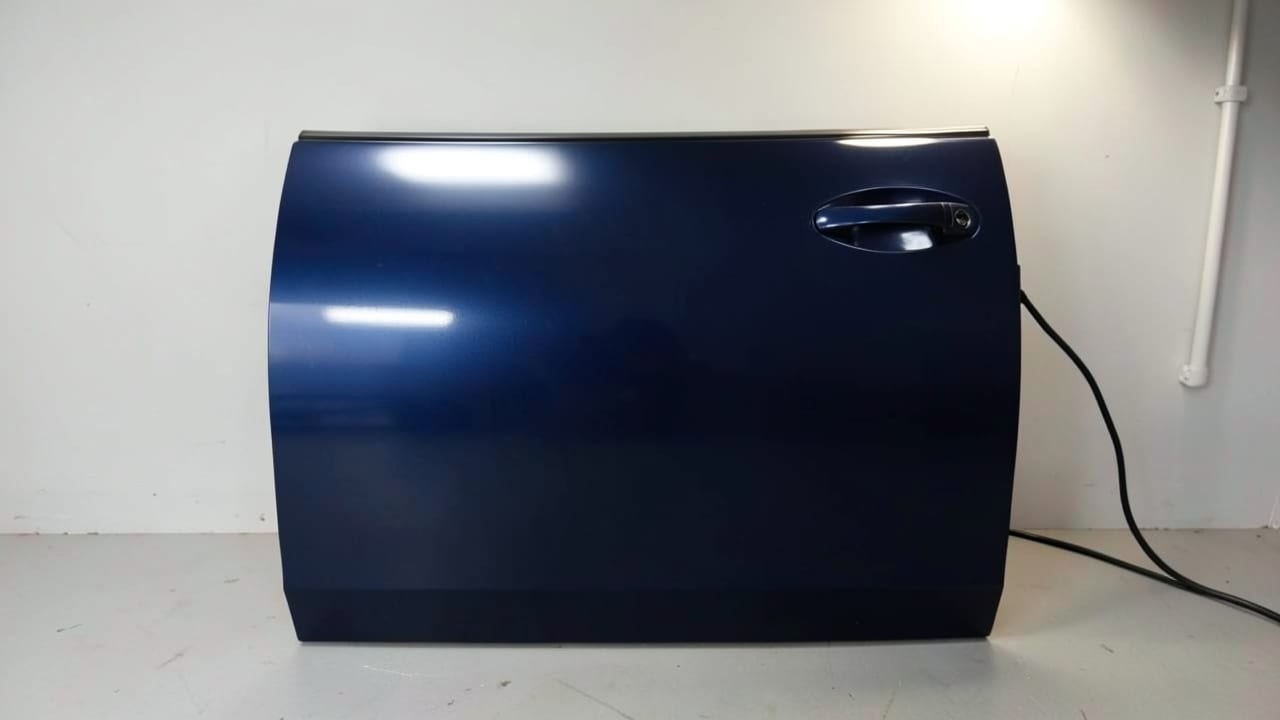
Clay Bar Paint Decontamination in Apollo Beach, FL
Clay bar paint decontamination in Apollo Beach, FL removes bonded surface contaminants a wash alone can't touch, before coating or correction.
Learn More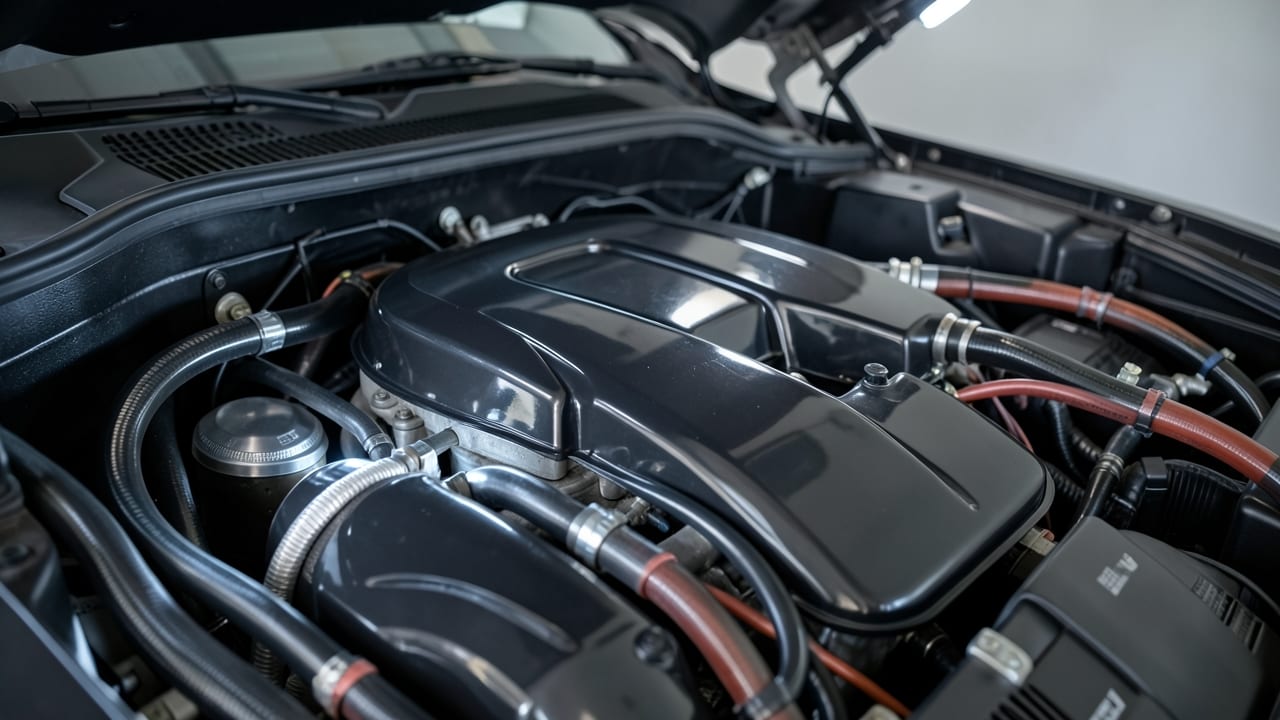
Engine Bay Detailing in Apollo Beach, FL
Engine bay detailing in Apollo Beach, FL — safe degreasing and dressing of the engine compartment without risking electrical components.
Learn More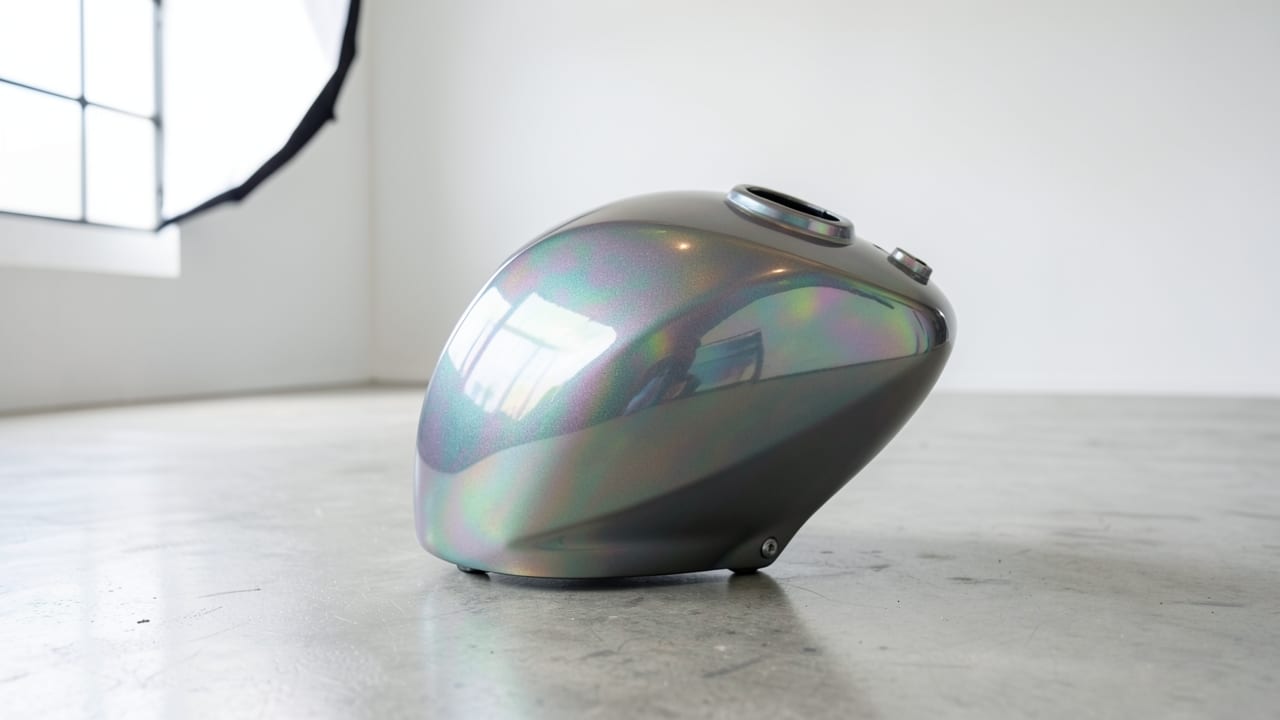
Motorcycle Ceramic Coating in Apollo Beach, FL
Professional application of ceramic coating to protect motorcycle paint and surfaces from damage.
Learn More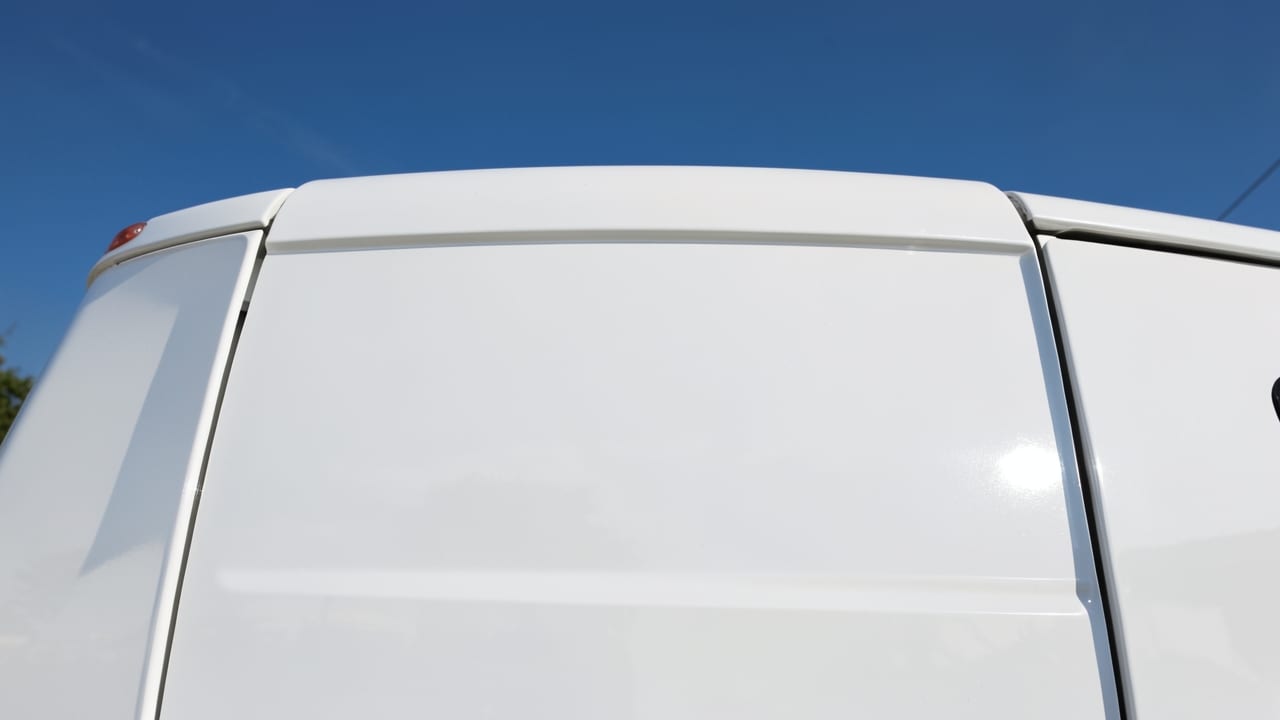
RV Paint Protection in Apollo Beach, FL
Ceramic coatings and protective sealants applied to RV exteriors to shield paint from UV, dirt, and scratches.
Learn MoreCommon Questions About Ceramic Coating in Apollo Beach
Everything you need to know about ceramic coating services in Apollo Beach
How much does Boat Gelcoat Restoration typically cost in Apollo Beach, FL?
Does intense UV and dust in Apollo Beach, FL change coating maintenance?
What's the actual difference between wax, paint sealant, and ceramic coating?
Can ceramic coating be applied at home instead of by a detailing shop?
How long does a ceramic coating actually last in real-world use?
What is the difference between graphene and SiO2 ceramic coatings?
Need Ceramic Coating in Apollo Beach?
Get a written quote from our Apollo Beach crew.
⏰ We answer your call • Serving all of Apollo Beach and surrounding areas